At Symyza Biotech , Technical Documentation forms the backbone of our Research & Development (R&D) operations, ensuring transparency, compliance, and reproducibility in pharmaceutical development. Technical documentation refers to the systematic creation, management, and storage of detailed records that support the design, development, manufacturing, testing, and regulatory approval of pharmaceutical products. Accurate and comprehensive documentation not only facilitates regulatory compliance but also underpins scientific integrity, product quality, and patient safety.
In the pharmaceutical industry, robust technical documentation is mandatory for product registration, GMP compliance, quality assurance, and intellectual property protection. Symyza Biotech emphasizes meticulous documentation across all dosage forms—tablets, capsules, soft gels, syrups, suspensions, ointments, gels, creams, herbal products, sachets, and nutraceuticals—to ensure that each product meets global standards.
Importance of Technical Documentation
Technical documentation plays a critical role in pharmaceutical R&D for several reasons:
- Regulatory Compliance: Authorities such as the FDA, EMA, CDSCO, and WHO require detailed technical documentation to approve pharmaceuticals.
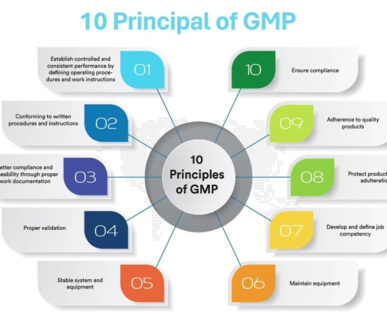
- Quality Assurance: Provides evidence of adherence to Good Manufacturing Practices (GMP) and standard operating procedures (SOPs).
- Reproducibility: Ensures that formulations and manufacturing processes can be accurately replicated at scale.
- Traceability: Tracks the origin of raw materials, development stages, and changes in formulation, aiding audits and inspections.
- Knowledge Management: Serves as a repository of scientific research, formulations, testing data, and process improvements.
- Intellectual Property Protection: Documents innovative formulations, processes, and methods, supporting patent applications and proprietary technologies.
Without proper technical documentation, pharmaceutical companies risk regulatory non-compliance, inconsistent product quality, production errors, and intellectual property disputes.
Key Components of Technical Documentation
Symyza Biotech maintains comprehensive records across all phases of R&D, including:
1. Formulation Records
- Detailed composition of each product, including API quantities, excipients, and processing instructions.
- Rationale for excipient selection, compatibility studies, and optimization data.
- Prototype batch formulations and pilot batch records to ensure reproducibility.
2. Analytical Method Documentation
- Development and validation reports for analytical methods such as HPLC, GC, UV-Vis spectroscopy, and dissolution testing.
- Stability-indicating method records that confirm potency, purity, and quality of APIs and finished products.
- Standard operating procedures (SOPs) for laboratory testing and quality control.
3. Stability Study Records
- Documentation of long-term, accelerated, and intermediate stability studies.
- Photostability, forced degradation, and microbiological stability reports.
- Data supporting shelf life, storage conditions, and packaging recommendations.
4. Process Development Records
- Step-by-step descriptions of manufacturing processes, including mixing, granulation, compression, encapsulation, coating, and packaging.
- In-process control data for weight variation, hardness, dissolution, and microbial testing.
- Records of technology transfer from laboratory to pilot and commercial-scale production.
5. Regulatory Submissions
- Preparation of Common Technical Documents (CTD) for global regulatory agencies.
- Compilation of product dossiers, safety and efficacy data, labeling, and packaging information.
- Documentation for approvals, amendments, and renewals.
6. Risk Assessment & Change Control
- Records of risk analyses, including potential failure modes, corrective and preventive actions (CAPA), and mitigation strategies.
- Change control logs documenting modifications in formulations, processes, or suppliers.
- Evidence of review and approval by R&D, QA, and regulatory teams.
7. Quality Assurance & Audit Records
- Internal and external audit reports, inspection findings, and follow-up actions.
- Compliance records for GMP, GLP, ISO, and other certifications.
- Verification and approval signatures from responsible personnel at each stage.
Technical Documentation Process
Symyza Biotech follows a structured process to ensure accuracy, completeness, and compliance:
- Document Creation: Every R&D activity, from formulation design to stability testing, is recorded in pre-defined templates and SOPs.
- Review & Verification: Data is reviewed by scientists, QA, and regulatory teams for accuracy, completeness, and compliance with guidelines.
- Version Control: Each document is assigned a version number, date, and responsible personnel to maintain traceability.
- Storage & Archival: Documents are securely stored in electronic and physical formats, ensuring long-term accessibility for audits and inspections.
- Access & Security: Controlled access prevents unauthorized modification and maintains the integrity of sensitive intellectual property.
- Regulatory Submission: Verified documents are compiled into CTDs, dossiers, or reports for submission to global health authorities.
This process ensures that every piece of technical documentation is comprehensive, traceable, and auditable.
Advanced Tools and Systems
Symyza Biotech employs modern documentation systems and technology to enhance efficiency and compliance:
- Electronic Document Management Systems (EDMS): Facilitates secure, centralized storage, version control, and retrieval.
- Laboratory Information Management Systems (LIMS): Tracks analytical data, sample history, and testing outcomes.
- ERP Integration: Links R&D data with manufacturing, supply chain, and QA systems for end-to-end traceability.
- Digital Signatures & Audit Trails: Ensures regulatory compliance for electronic submissions and internal records.
These technologies streamline the documentation process, minimize errors, and ensure readiness for audits or inspections.
Integration with R&D Functions
Technical documentation at Symyza Biotech is closely integrated with all R&D activities:
- Formulation Development: Records the design, optimization, and testing of new products.
- Stability Studies: Provides structured evidence of shelf life and product performance.
- Analytical Testing: Documents methods, validation, and results to guarantee reproducibility.
- Manufacturing & Scale-Up: Ensures that pilot and commercial batches comply with regulatory requirements.
- Regulatory Affairs: Supports preparation of submission dossiers and product registration.
This integration guarantees seamless knowledge transfer, regulatory readiness, and consistent product quality.
Regulatory Compliance and Best Practices
Symyza Biotech’s technical documentation adheres to international guidelines:
- ICH Guidelines (Q7, Q9, Q10): For Good Manufacturing Practices, Quality Risk Management, and Pharmaceutical Quality Systems.
- WHO-GMP Requirements: Ensures global compliance for manufacturing and R&D documentation.
- FDA & EMA Standards: Supports approval and market authorization for domestic and international distribution.
- ISO 9001 & ISO 13485: Maintains high-quality documentation standards for medical products and devices.
By complying with these standards, Symyza Biotech ensures that all documentation is audit-ready, scientifically accurate, and legally defensible.
Conclusion
At Symyza Biotech , Technical Documentation is more than a regulatory requirement—it is a vital part of our commitment to quality, transparency, and innovation. By systematically recording every detail of formulation development, analytical testing, stability studies, and manufacturing processes, we create a robust knowledge base that supports regulatory compliance, product reproducibility, and patient safety.
Through advanced digital systems, stringent SOPs, and an integrated approach across R&D, QA, and regulatory teams, Symyza Biotech ensures that every technical document is accurate, traceable, and audit-ready. This commitment not only safeguards intellectual property and product quality but also reinforces the confidence of healthcare providers, patients, and regulatory authorities in our pharmaceutical offerings.
Symyza Biotech’s technical documentation practices exemplify scientific rigor, regulatory adherence, and operational excellence, forming the foundation for safe, effective, and globally compliant medicines.

 01
01 02
02 03
03 04
04